When a company outgrows its logo file
At ten people, the founder sees every slide and flyer before it goes out. At forty or a hundred, nobody can. Sales builds its own decks, recruiting makes its own social graphics, a new office orders its own signs, and an agency picks fonts from a screenshot. Each piece looks close to the brand, and together they look like five different companies.
A brand system fixes that by writing the decisions down once. It says which logo version goes where and how much space it needs, which fonts to use and at what sizes, which colors carry text and which only decorate, how the company sounds in an email or a job post, and which templates to start from.
Parts of a brand system
- Brand guidelinesThe rulebook itself: logo, type, color, imagery, voice and templates in one document your team can search.
- Logo usage rulesLockups, clear space, smallest sizes, approved backgrounds and a page of misuse examples.
- Type and color standardsA type scale, licensed fonts with office fallbacks, color values for each medium and checked text pairings.
- Tone of voice and templatesHow the company sounds in writing, plus slide, document, social and signature templates set up in your tools.
What a rulebook page looks like
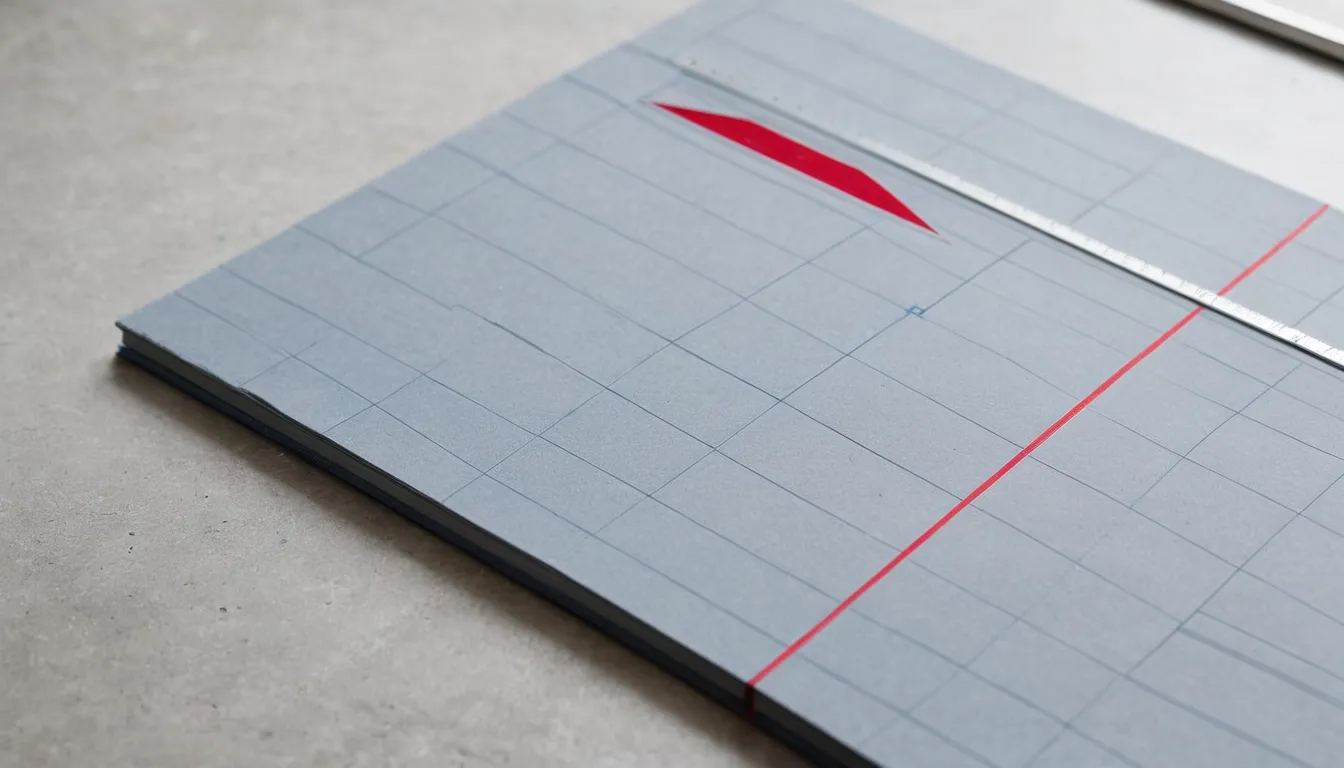
The drawing at the top of this page is a concept of one page from a guidelines book. Each rule is drawn with its measurement. The dashed box is the logo's clear space, set as a share of the mark's height (marked x), so it scales with the logo. The red line under the small logo is the smallest size it should appear at. The type scale steps up by a fixed ratio from the body size, and the color bar shows roughly how much of a layout each color should take.
Who this suits
We work with companies that are hiring or opening locations faster than one person can check every piece. Typical starting points: a decent logo with no rules around it, two brands after a merger, or slide decks that have drifted so far apart a client noticed.
Most of our work starts from an identity you already have. If you need a new logo from scratch, say so in your brief.
What to send with a brief
Real material helps most. A useful first send:
- Your logo files and any old style guide, even an outdated one
- Ten or so pieces your team made recently: slides, proposals, social posts, signs, emails
- Who makes branded material today, roughly how many people, and in which tools
- The fonts you own or pay for, if you know
- Anything coming up that the rules have to support, such as a new office, a product launch or a website rebuild
- Who approves the rulebook, and when you need it
Cities
All work is remote, with calls booked in your time zone.
Chicago, IL
Brand guidelines, logo rules and templates for Chicago companies, with calls in Central time.
Philadelphia, PA
Brand guidelines, logo rules and templates for Philadelphia companies, with calls in Eastern time.
Denver, CO
Brand guidelines, logo rules and templates for Denver companies, with calls in Mountain time.
What finished rulebooks and templates look like
Before you write in
How much does a brand guidelines project cost?
It depends on the number of sections, how many templates you need and in which tools, and how many review rounds you want. We send a written quote after reading your brief and looking at your current material.
We already have a style guide. Can you work from it?
Yes. Old guides are a good start. We keep the decisions that still hold, fill the gaps that cause trouble today, and rewrite the rest so it's easy to follow.
Are the rulebook pages on this site from real clients?
No. They are concept drawings for imaginary companies, and the photos are labeled AI-generated samples. We don't publish client work without permission.